Skip to content
Washington University in St. Louis

Engineering resources

  • Prospective Students
  • Current Students
  • Faculty & Staff
  • Alumni
  • Industry

It's easy to start your application.

  • Undergraduate Admissions
  • Graduate Admissions
  • Dual Degree Program
Graduate applicants: Attend an info session and skip the application fee
McKelvey School of Engineering
Biomedical Engineering
  • Academics

    Academics

    The world needs difference-makers.

    • Graduate Programs
      • PhD in Biomedical Engineering
      • FAQs for PhD Students
      • Master of Science in Biomedical Engineering (MS-BME)
      • Master of Science in Imaging Science
      • PhD Fellowship Opportunities
      • Approved Courses
    • Undergraduate Programs
      • BS in Biomedical Engineering
      • Minor in Biomedical Data Science
      • Curriculum
      • Independent Study
      • Summer Experiences
  • Faculty & Research

    Looking for someone?

    View faculty directory

    Faculty & Research

    Creating knowledge for a better world.

    • Faculty directory
    • Affiliated faculty
    • Postdoc openings
    • Research Areas
      • Biomedical & Biological Imaging
      • Cardiovascular Engineering
      • Cell & Molecular Bioengineering
      • Neural Engineering
      • Orthopedic Engineering
      • Regenerative Engineering in Medicine
      • Women's Health Technologies
    • Research Centers & Collaboration
  • News & Events

    Featured News

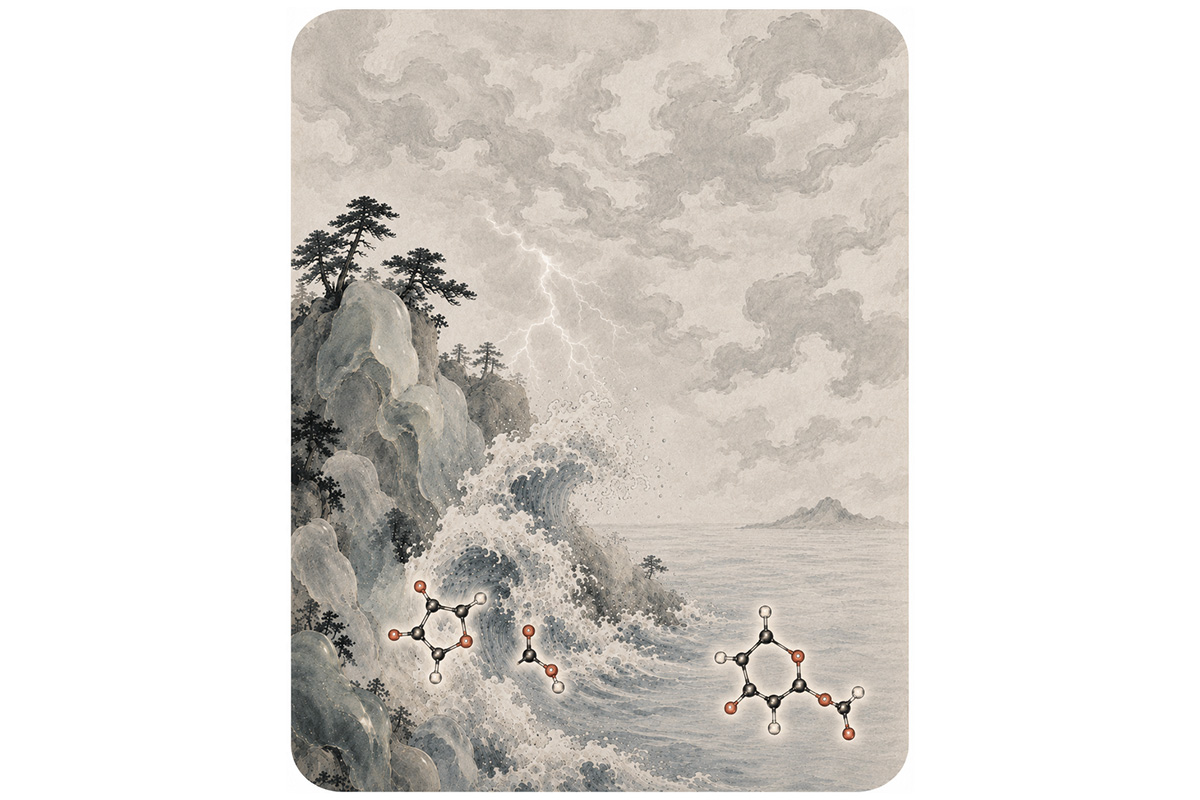
    Uncovering the electrochemistry of condensates

    Researchers are discovering the electrochemical properties of biomolecular condensates which could help in development of cancer or ALS treatments

    03.11.2025

    News & Events

    Get involved and stay informed.

    • Events
    • Latest News
    • Academic Calendar
    • Seminar series
    • BME Day
    • Rising BME Scholars
  • About Us

    About

    We're here to create a positive impact in the world.

    • About Us
    • Alumni
    • Welcome from the Chair
    • Advisory Boards
    • Culture, Opportunity & Belonging
    • Staff and Post Docs

Don't know where to start?

  • Prospective Students
  • Current Students
  • Faculty & Staff
  • Alumni
  • Industry

Start your application today

  • Undergraduate Admissions
  • Graduate Admissions
  • Dual Degree Program
Graduate applicants: Attend an info session and skip the application fee

Trending Searches

  • graduate admissions
  • academic programs
  • financial aid
  • academic calendar
  • maps & directions
  • summer school
  1. Home
  2. News & Events

News & Events

Related links

  • BME Day
  • Seminar Series
  • Past Seminar Series
  • Rising BME Scholars

Events

Upcoming BME Events

See all BME Events

Latest BME News

View all BME news
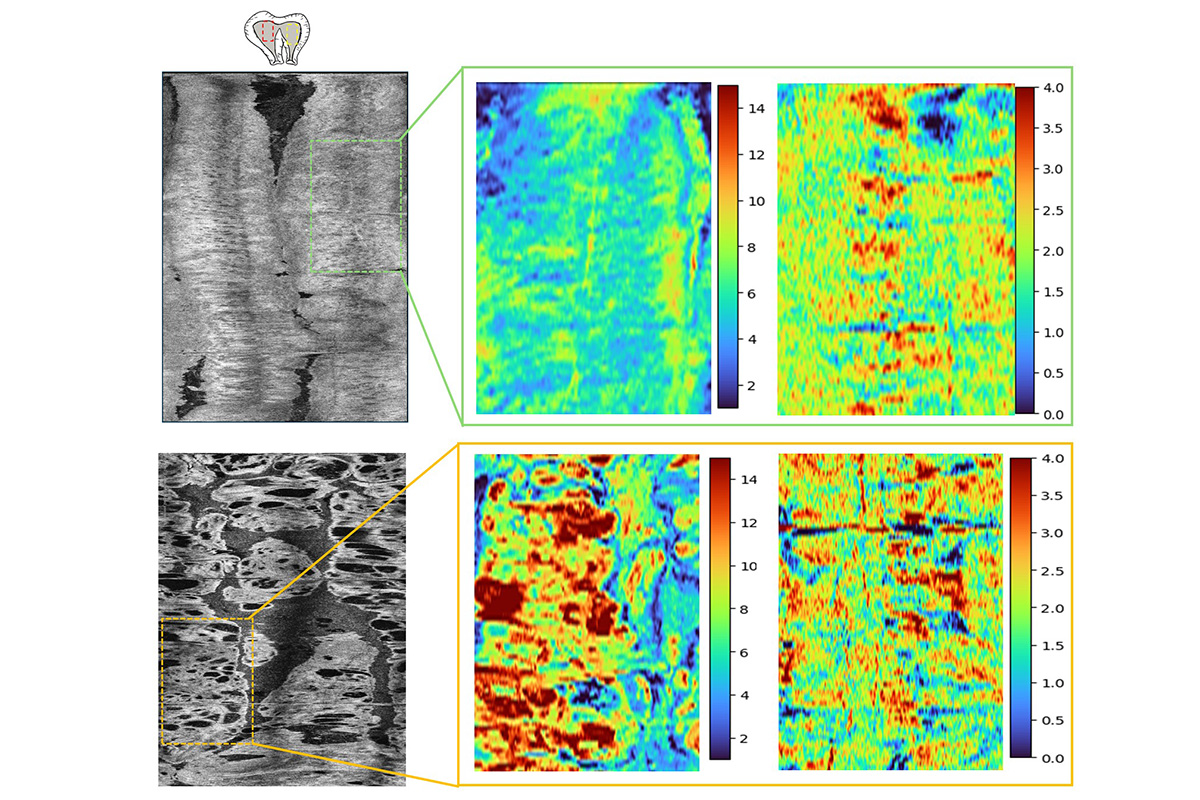
 Examples of OCT C-scans from a) Normal endometrium, c) High risk pre-cancer.  OCT intensity C-scan (a1 and c1); optical extinction coefficient (a2 and c2); and scatterer shape factor (a3 and c3) of the highlighted sections. In the high-risk pre-cancer, the 3D OCT image revealed more complex, low-intensity regions, indicative of irregular, dilated glands of various sizes (c1). Compared with a normal endometrium, high-risk pre-cancer showed higher irregularity and heterogeneity. (Credit: Zhu lab)

Quick optical biopsy could be early detection method for endometrial cancer

Quing Zhu, WashU Medicine collaborators combine optical coherence tomography and machine learning for rapid, accurate test.

06.16.2026
Jae Park, a doctoral student in the lab of Alexandra Rutz, assistant professor of biomedical engineering, has developed a unique, dynamic platform with electricity-conducting biomaterials in which stiffness can be modulated by applying voltage. Such a platform can help researchers learn more about the potential to use conducting polymers to study mechanobiology and to study the effect of stiff environments on cells, which play a role in fibrosis and some types of cancer. (Credit: Jae Park)

New platform explored to meet emerging need in mechanobiology

Alexandra Rutz’s lab works with conducting polymers to change stiffness.

06.12.2026

AI for Health seed grant program awards nearly $300,000 to advance AI-driven health research

Annual program supports innovative collaborations between artificial intelligence and health researchers across WashU.

06.09.2026
Yifan Dai, assistant professor of biomedical engineering, will study buffering, with a five-year, $2 million Maximizing Investigators’ Research Award from the National Institutes of Health. Specifically, Dai will focus on biomolecular condensates, which are molecular communities made up of DNA, RNA and proteins, and how they are involved with diseases.  (Credit: Susan Wilkinson on Unsplash)

Inner life of cells under investigation

Yifan Dai to look at chemical processes in cells with NIH grant.

06.08.2026
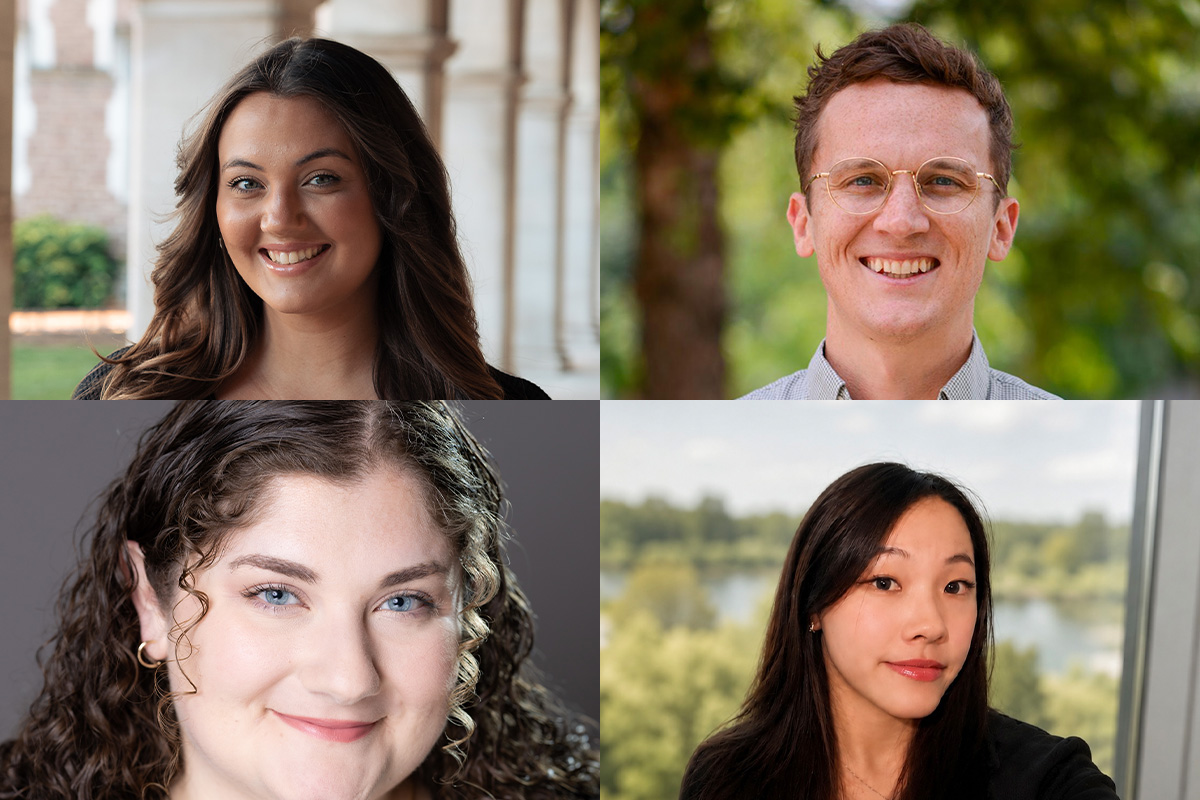
Pictured: clockwise from top left, Dai, Fan, Rutz, Xu, Lagunas Vargas

Five McKelvey faculty awarded Collaboration Initiation Grants

The program supports collaborative research by junior faculty.

06.04.2026
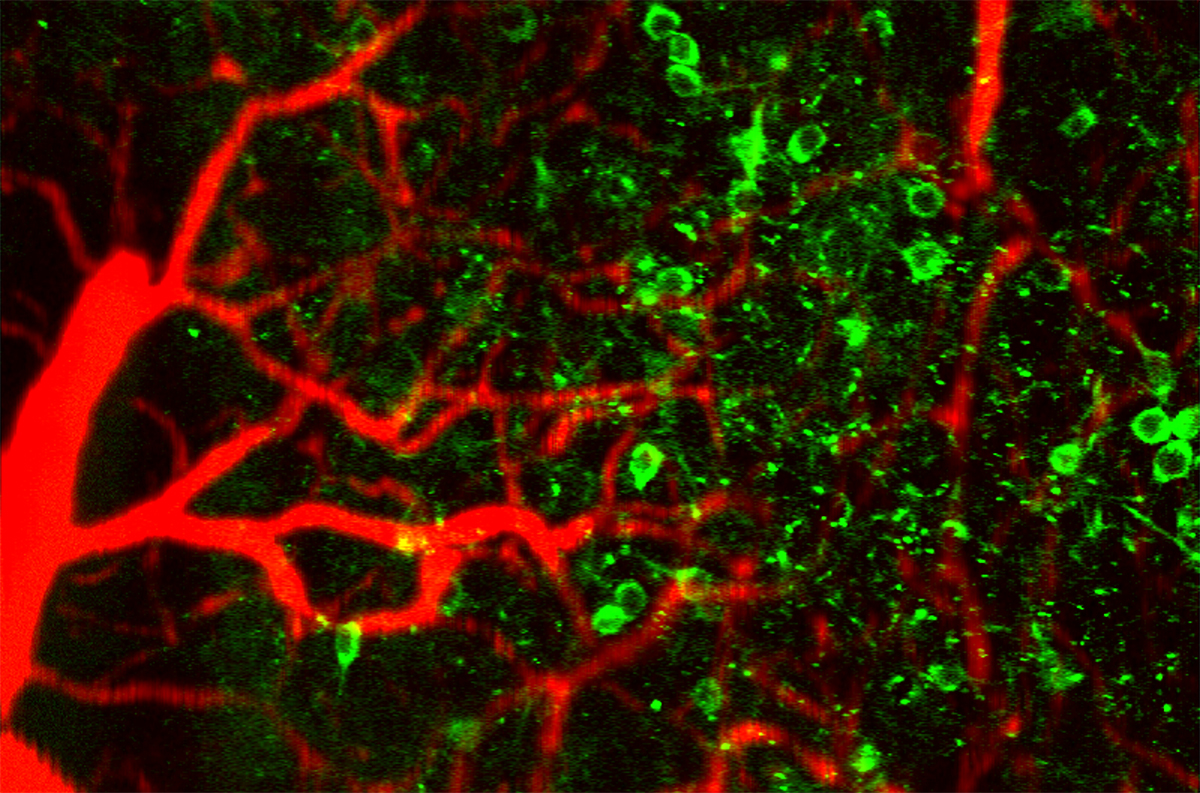
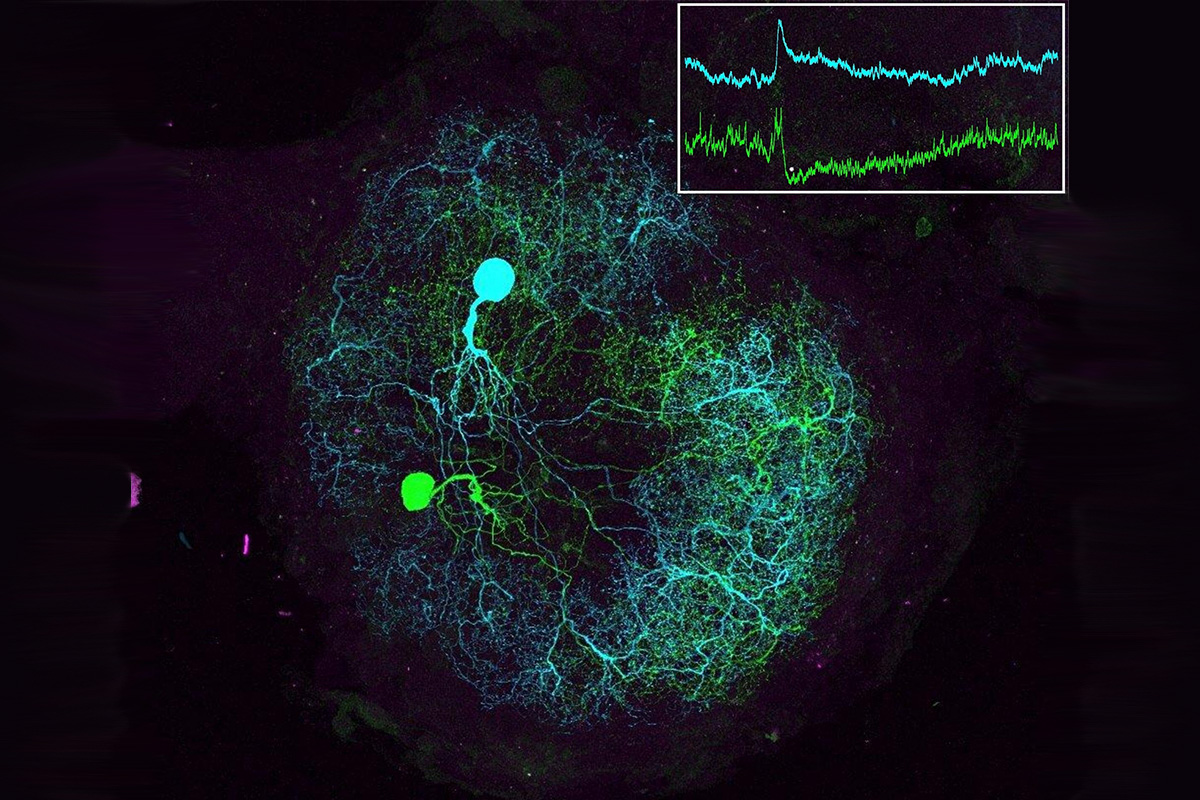
Researchers in Chao Zhou’s lab used cardiac optogenetics to study arrhythmia and its impact on the brain noninvasively. Using highly sensitive imaging in a mouse model, they found that arrhythmia in a mouse heart alters oxygen concentration in the brain during and after arrhythmia. (Credit: Zhou lab using Manus AI)

Light, genetics provide insight into arrhythmia’s effects on brain

Chao Zhou’s lab induces on-demand arrhythmia in mouse model using light.

06.03.2026
Yan Yu was installed as the Art Krieg Professor March 31. At the installation ceremony, Yu delivered a talk, “Breaking Barriers: From Immune Cells to Classrooms." (Credit: Sean Garcia/Arts & Sciences)

Yu installed as Art Krieg Professor

Yu holds a joint appointment in the Department of Biomedical Engineering in McKelvey Engineering.

05.27.2026
 Ismael Seáñez, assistant professor of biomedical engineering and of electrical & systems engineering in McKelvey Engineering and of neurosurgery at WashU Medicine, and Rodolfo Keesey, a doctoral student in his lab (standing), took an in-depth look at how well high-frequency waveforms, or kilohertz-frequency spinal cord stimulation, actually target the neural structures that lead to recovery. (Credit: Rod Keesey)

Ready to fire

Ismael Seáñez lab evaluates nerve recruitment with high-frequency spinal cord stimulation.

05.12.2026
(Photo: Whitney Curtis/WashU)

Class Acts: Catalina Bernabé Correa

Passion for motorcycles and neuroscience drove student to study spinal cord injuries.

05.11.2026

WashU BME Newsletters

  • March 2026
  • Fall 2025
  • June 2025 (PDF)
  • March 2025 (PDF)
  • 2024 Year-in-Review (PDF)
  • Fall 2024 (PDF)
  • Summer 2024
  • Spring 2024
  • 2023 Year-in-Review
  • Fall 2023
  • Summer 2023
  • Spring 2023
  • Winter 2022
  • Fall 2022
  • Late Summer 2022
  • Summer 2022
  • Spring 2022
  • 2021 Year-in-Review
  • Fall 2021
  • Summer 2021
  • Spring 2021
  • Winter 2021
  • 2020 Year-in-Review
  • Fall 2020

Contact Us

Washington University in St. Louis
McKelvey School of Engineering
Biomedical Engineering
MSC: 1097‐202‐190
1 Brookings Drive
St. Louis, MO 63130-4899
Phone: 314-935-7208
bme@wustl.edu
Contact Us

Facebook Twitter LinkedIn Instagram YouTube

Engineering Departments

  • Biomedical Engineering
  • Computer Science & Engineering
  • Division of Engineering Education
  • Electrical & Systems Engineering
  • Energy, Environmental & Chemical Engineering
  • Mechanical Engineering & Materials Science
  • Sever Institute - professional degrees

Resources

  • Canvas
  • Directory
  • Emergency Management
  • Engineering IT
  • Maps & Directions
  • Make a Gift
  • Workday

©2026 Washington University in St. Louis. Policies